


9 Sept 2025
AIHA calls for clarity, urging APVMA to recognise hemp as safe ingredient in pet nutrition
The Australian Industrial Hemp Alliance (AIHA) today expressed its profound disappointment after the Australian Pesticides and Veterinary Medicines Authority (APVMA) failed to meet a formal deadline to provide clear and consistent regulatory guidance on the use of industrial hemp in pet nutrition products.
This comes as a Parliamentary enquiry is underway into opportunities for the development of Australia’s industrial hemp industry.
Despite the APVMA's public clarification in May that was initially welcomed by the industry, AIHA says months of contradictory communication from the regulator have undermined confidence.
The APVMA’s previous regulatory stance also had several unintended consequences for the hemp industry, including compliant manufacturers shelving plans that AIHA estimates could have generated around $20 million in revenue from FY22 to FY25.
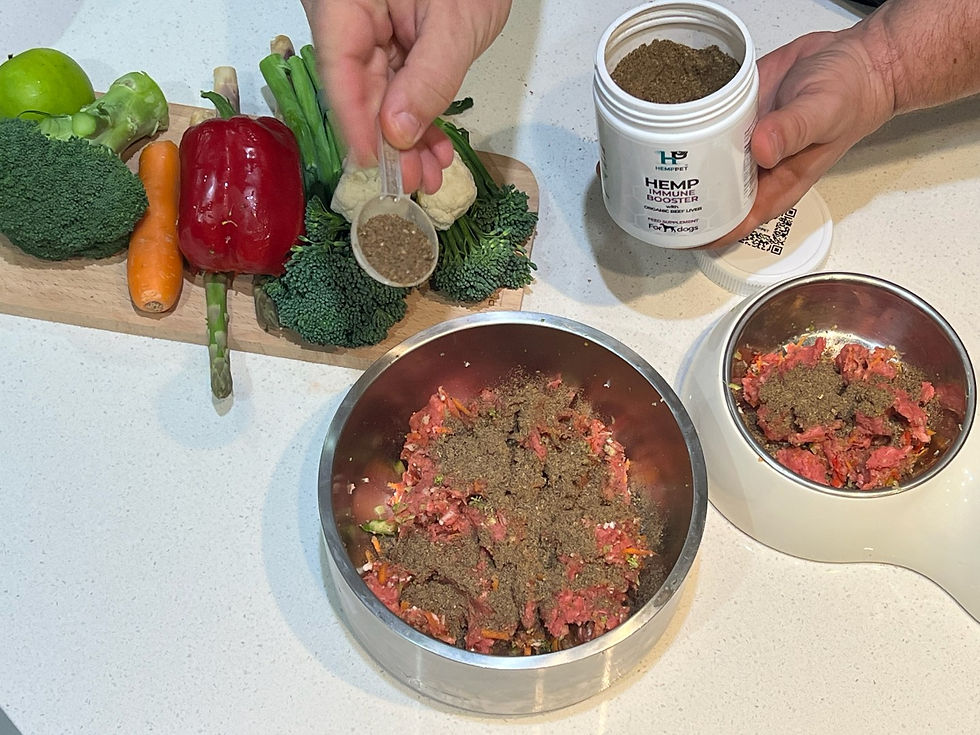
"We were hopeful that the APVMA’s website update in May would signal a clear pathway forward, but the reality has been a series of confusing and contradictory statements from senior officials,” said Arthur Wajs, AIHA Treasurer and owner of Hemp Pet, a corporate member of the Alliance which has experienced significant revenue losses as a result of the regulatory uncertainty.
"The APVMA’s failure to meet a formal deadline on August 27 for a written response shows this is not the regulatory certainty our industry needs to thrive, threatening small businesses and pet owners who rely on these products for their animals’ health and wellbeing.”
Industrial hemp (Cannabis sativa L.) contains little to no cannabinoids (CBD or THC) and is a safe, nutritious ingredient for animals, rich in essential amino acids and omega fatty acids.
Although globally recognised as a valuable food source, in Australia the APVMA has classified hemp and its by-products as “veterinary chemicals” under the Agricultural and Veterinary Chemicals Code Act 1994 (Agvet Code) when used in pet and animal feeds.
This approach appears inconsistent with the Agvet Code, which provides exemptions for "Excluded Nutritional or Digestive" (END) products that are used for nutrition without making therapeutic claims.
The confusion lies in whether hemp products are classified as END or veterinary chemical products (VCPs). Inconsistencies from the APVMA include:
May 1: Following an AIHA complaint in April 2025, APVMA amends its website to acknowledge hemp in the context of END products.
August 11: At a formal meeting with AIHA and APVMA, APVMA’s Director of Veterinary Medicines stated that “All END products are VCPs” (which contradicts the Agvet Code).
August 21: The APVMA’s legal counsel confirmed in writing that END products are not VCPs where criteria are met (which again conflicts with the verbal statement from August 11).
August 25: APVMA CEO Scott Hansen notes that the official position was co-authored by both officials, underscoring internal inconsistency and the need for urgent clarification.
September 8: AIHA sent a follow-up letter to the APVMA CEO regarding missing the deadline for replying to the Alliance about agreed actions on progressing an ingredient determination, which to date, remain outstanding from the APVMA side.
“This regulatory uncertainty has stalled product launches, increased compliance costs for Australian businesses - placing significant financial pressure particularly on small enterprises - and denied pets access to nutritious domestic alternatives,” said Mr Wajs.
AIHA warns that without urgent clarification, Australia risks falling behind global markets in ethical pet nutrition and missing the opportunity to scale hemp cultivation to one million hectares by 2030, potentially adding AUD$500 million annually to rural economies.
AIHA's Call to Action
To resolve this issue and restore industry confidence, AIHA is urging the APVMA to:
Provide immediate formal clarification confirming that END products are exempt from VCP classification when used solely for nutritional purposes.
Endorse a streamlined pathway for hemp, using flaxseed as a model to affirm its safety.
Strengthen internal communication protocols to prevent inconsistent interpretations and to support evidence-based regulation.
“What matters now is ensuring the frameworks are applied consistently so businesses and livelihoods are not put at risk,” said Mr Wajs.
About AIHA
The Australian Industrial Hemp Alliance (AIHA) is the peak body representing the interests of Australia’s hemp industry. AIHA advocates for sustainable agriculture, regulatory clarity, and the development of a thriving hemp sector to benefit farmers, businesses and consumers. To discover more, visit https://hempalliance.org.au